
Anesthesia services are provided by Anesthesia Services of America, Inc. The practice members have a long history of providing quality medical care to the patients of Arizona for over 41 years.
Reza Kharrazi, MD; Cardiac Anesthesia, TEE Certified
Jay Shah, MD
Janice Miiller, CRNA
Lindsey Smith, CRNA
Vincent Ford, CRNA
Marry Williams, CRNA
An anesthesiologist is a physician practicing anesthesia. The anesthesia care team, just like all area of medicine, consists of a physician and an anesthetist joining together to provide your anesthesia care. The anesthetist is a Certified Nurse Anesthetist (CRNA). A member of the anesthesia care team monitors the case and is present during your surgery and recovery period until you leave the center. This ensures that an anesthesia team member with advanced skills are immediately available during the anesthesia care experience.
Preoperative Fasting (not eating)
Patients are given individual instructions during your pre operative call. Patients that do not follow the instructions provided may increase the risks of anesthesia.
If you have not followed your instructions, it is important to let the clinical team or anesthesia provider know.
Preoperative Medications
Some of your daily medications should be taken and others should not in the days before or the morning of your surgery. It is important to discuss with your physician and follow the individual instructions provided by the clinical team during your preoperative call.
Preoperative Interview
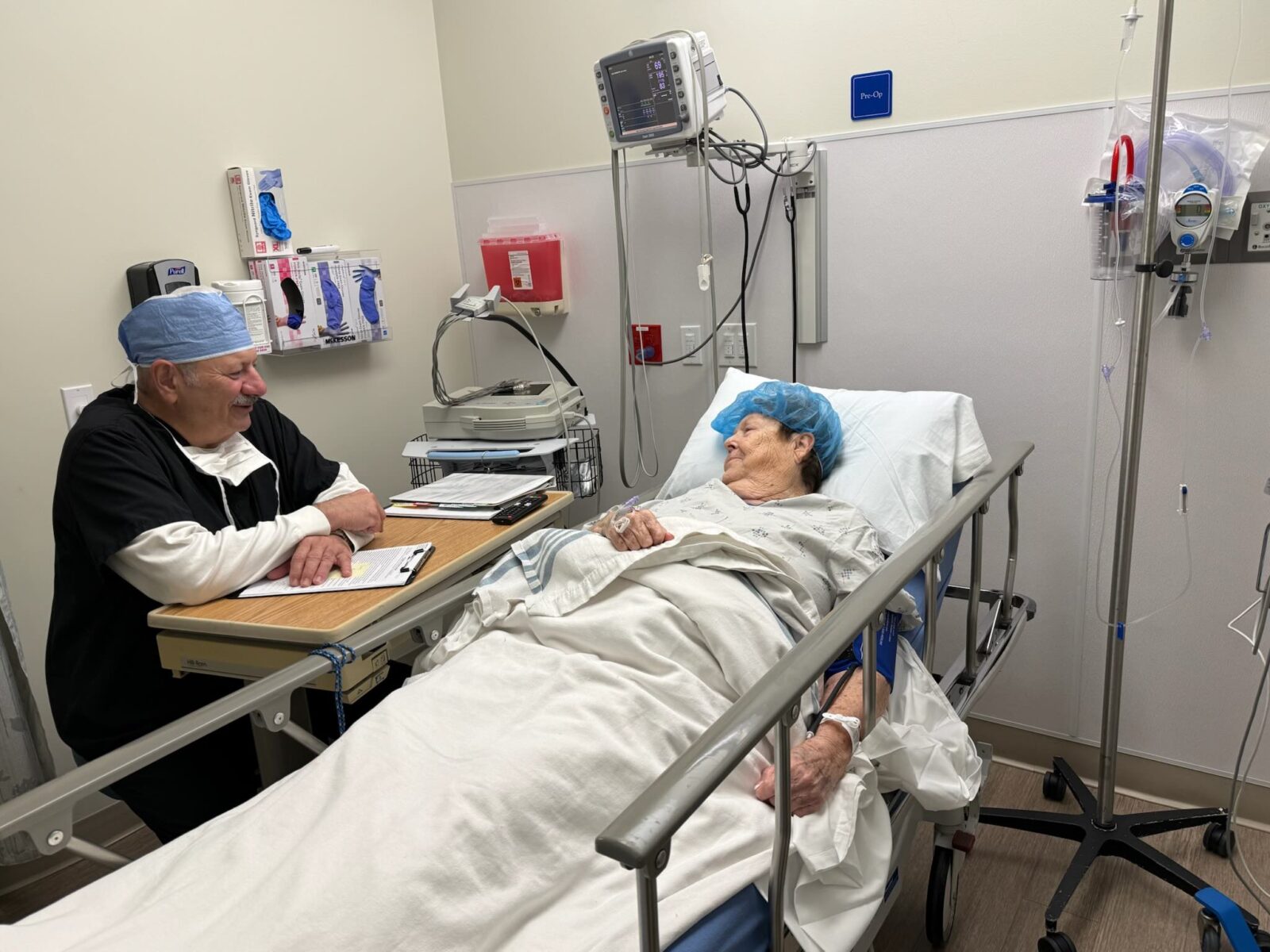
A member of the anesthesia team will complete an interview prior to your procedure. Your history and physical will be reviewed with you as well as any tests that you have had performed. The anesthesia provider will work with you to develop an anesthesia plan of care. You will have the opportunity to ask questions and concerns that you may have. You will be asked to sign a consent to allow anesthesia to be administered.
During Your Surgery
The anesthesia provider is responsible for the directing the anesthetic plan of care including monitoring of vital signs and ensuring the safety and comfort of the patient.
After Surgery – Recovery
The patient is moved from the operating room to the post anesthesia care unit (recovery room). The anesthesia provider in collaboration with the clinical team, monitors the recovery of the patient. Medications to minimize postoperative pain and nausea and vomiting are administered for the comfort of the patient.
Patients are provided something to drink and possibly a snack. The responsible party may be allowed in the PACU to set with the patient. Patients should not attempt to stand without assistance. Verbal and written instructions will e provided to the patient and the responsible party.
If you have any concerns after you get home, you should contact your surgeon (telephone number on your Discharge Instructions) or go to the nearest emergency room.
Follow your written Discharge Instructions including diet, activity (including driving), medications and follow-up visits with your surgeon
A member of our patient care team will attempt to reach out to each patient and check on their recovery within three days after surgery.